How Pool Valves Work: The Ultimate Pool Equipment Pad Guide (With Interactive Simulator)
Congratulations, you’re a pool owner! But if you are like most new owners, walking up to your pool equipment pad for the first time feels like staring at the control panel of a submarine. There is a maze of PVC pipes, massive tanks, and a confusing array of 3-way valves.
Turning the wrong handle can cause serious, expensive damage—like starving your pump of water or accidentally draining your spa into your backyard. In this guide, we are going to demystify your pool plumbing and give you an Interactive Valve Simulator so you can practice turning the handles safely.
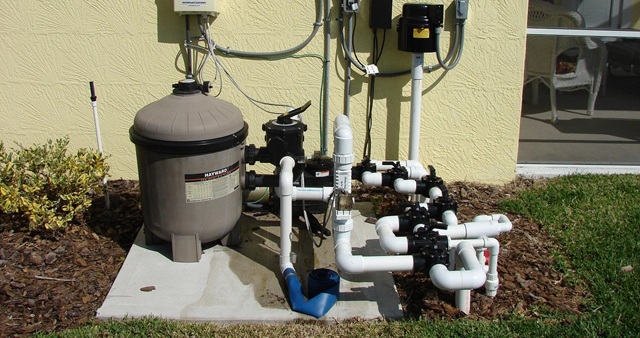
The Core Components of Your Pool Pad
Before we start turning valves, let's identify the heavy lifters on your equipment pad. Water always flows in a specific, unbroken order:
- The Pump: The heart of the system. It creates the suction that pulls water from the pool and the pressure that pushes it through the rest of the pad.
- The Filter: Located immediately after the pump. It pushes water through sand, D.E. grids, or paper cartridges to remove dirt and microscopic debris.
- The Heater: If you have one, it sits after the filter. It warms the clean water before it heads back to the pool.
- The PVC Pipes & Valves: The veins and arteries of the system, directing exactly where the water comes from and where it needs to go.
Understanding 3-Way Pool Valves (Jandy Valves)
Most modern pools use 3-way diverter valves (often called "Jandy valves" after a popular manufacturer). These are the black handles you see mounted on your pipes.
Here is the golden rule you must remember: The "OFF" tab on the handle blocks water. Whichever pipe the wide "OFF" tab is pointing to is completely shut off from the flow.
- The Suction Valve: Located before the pump. This decides if the pump is pulling water from the pool skimmers, the spa drain, or a mix of both.
- The Return Valve: Located after the heater. This decides if the clean, heated water is pushed back into the pool jets, the spa jets, or both.
- The Heater Bypass: A valve located right before the heater. It allows you to send water around the heater when you don't need it, protecting the internal copper heat exchanger from erosion caused by high water velocity.
Stop Guessing Which Valve Does What
Turning the wrong handle can cause thousands of dollars in damage. Practice safely on our digital equipment pad before touching the real thing in your backyard.
👉 Try the Free Valve SimulatorThe Interactive Pool Checker Valve Simulator
Ready to test your skills? We built this interactive simulator so you can learn how water flows through a standard Pool/Spa combo system.
How to use it: Click the red "OFF" tabs on the valves to rotate them. Adjust the pump speed. Try to put the system in "Spa Mode"—or see what happens if you accidentally trigger a plumbing disaster!
PoolChecker.com Valve Simulator
Common Equipment Pad Disasters to Avoid
Now that you have played with the simulator, you probably triggered a few warnings. Here are the most common mistakes homeowners make in real life:
1. "Dead-Heading" the Pump
If you turn your suction or return valve so the "OFF" tab completely blocks the main pipe, water cannot flow. The pump will continue to spin, but with no water moving to cool it down, the motor will overheat and burn out, often melting the PVC pipes around it. Always ensure water has a clear path from the pool, through the pump, and back to the pool.
2. Accidentally Draining the Spa
If you turn your suction valve to pull water from the spa, but leave your return valve pushing water into the pool, you are actively pumping your spa dry. A standard pool pump can empty a spa in under 5 minutes. If your spa doesn't have a built-in spillway into the pool, returning water to the spa without pulling from it will actively flood your deck!
3. Thermal Erosion
Modern variable speed pumps can move an incredible amount of water. If you turn your pump up to maximum speed and force all of that water through your heater, the physical friction of the water will strip the copper right out of the heat exchanger. Always use a bypass valve when running high flow rates!
Still Intimidated?
Don't risk blowing up your pool equipment.
Every pool was plumbed differently by the original builder. If your valves aren't labeled, or you are worried about causing thousands of dollars in damage, have a professional look over your specific equipment pad.
👉 Find a Verified Local Pool Pro Today